 Westerlo Hub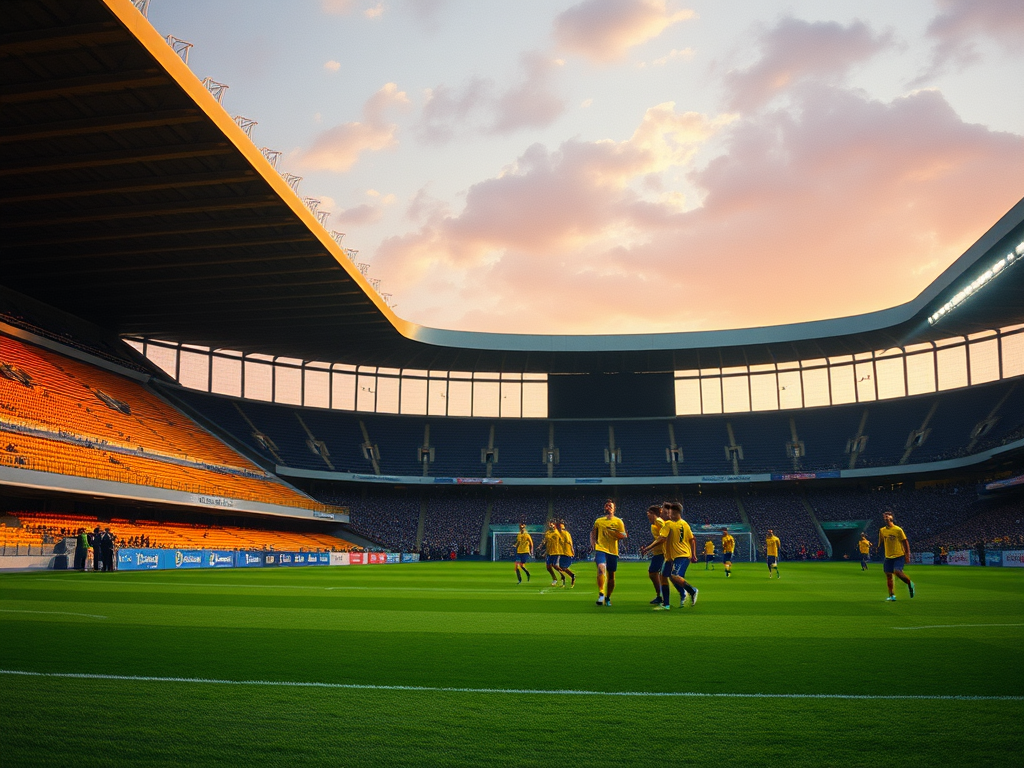
Westerlo's 2009–10 Season: A Remarkable Journey of Resilience
In the landscape of Belgian football, the 2009–10 season stands out as a testament to the spirit and determination of Westerlo, affectionately known as De Kakkers. After narrowly avoiding relegation the previous season, the club faced significant challenges as they aimed to secure their place in the Pro League. With pressure mounting, the squad displayed remarkable resilience and tactical adaptability that would shape their identity for years to come.
Westerlo began the season with a mix of hope and uncertainty. The club had assembled a squad blending seasoned veterans and youthful talent, creating an intriguing dynamic on the pitch. The tactical approach adopted by then-coach, the late Gert Verheyen, focused on solidifying the defense while also encouraging attacking play through quick transitions. This balance proved crucial in a league where the margins of victory are often razor-thin.
As the season progressed, Westerlo faced a series of ups and downs. Early matches were characterized by a struggle to find consistency, but a string of determined performances in the latter part of the first half of the season began to shift the narrative. Key players like Joris De Maeyer and Michaël D’Haene emerged as leaders on the field, showcasing their ability to rally the team during tough times.
One of the most defining moments of the season came during a dramatic clash against Lierse SK, the club's fierce rivals. The match, held at the Stadium, was not just a battle for local pride but also a critical fixture in the context of the relegation battle. Westerlo, spurred on by their passionate supporters, displayed extraordinary grit to secure a vital point, reinforcing their resolve in the face of adversity. This match encapsulated the essence of De Kakkers: a team that never backs down, regardless of the odds.
As winter approached and the league entered its second phase, Westerlo found themselves in a precarious position. The potential threat of relegation loomed large, but the management's faith in their tactical philosophy and player capabilities began to pay off. The team embarked on an impressive run of form, buoyed by a newfound confidence that seemed to permeate every player on the pitch.
The resilience of the squad was tested repeatedly, but they emerged stronger each time. The tactical flexibility demonstrated by Verheyen allowed the team to adapt to various opponents, ensuring they could turn matches around even when trailing. This adaptability not only improved their league standing but also fostered a sense of unity and belief within the squad.
As the season neared its conclusion, Westerlo secured their safety in the Pro League, culminating in a campaign that will be remembered for its heart and determination. The 2009–10 season highlighted the importance of resilience and teamwork, qualities that would serve as a foundation for the club's future ambitions.
Ultimately, the story of Westerlo during this season is not just about avoiding relegation; it is about building a culture of perseverance and tactical intelligence that would pave the way for future successes. De Kakkers, through their journey, solidified their identity as a club capable of overcoming obstacles, making the 2009–10 season a notable chapter in their illustrious history.