 Westerlo Hub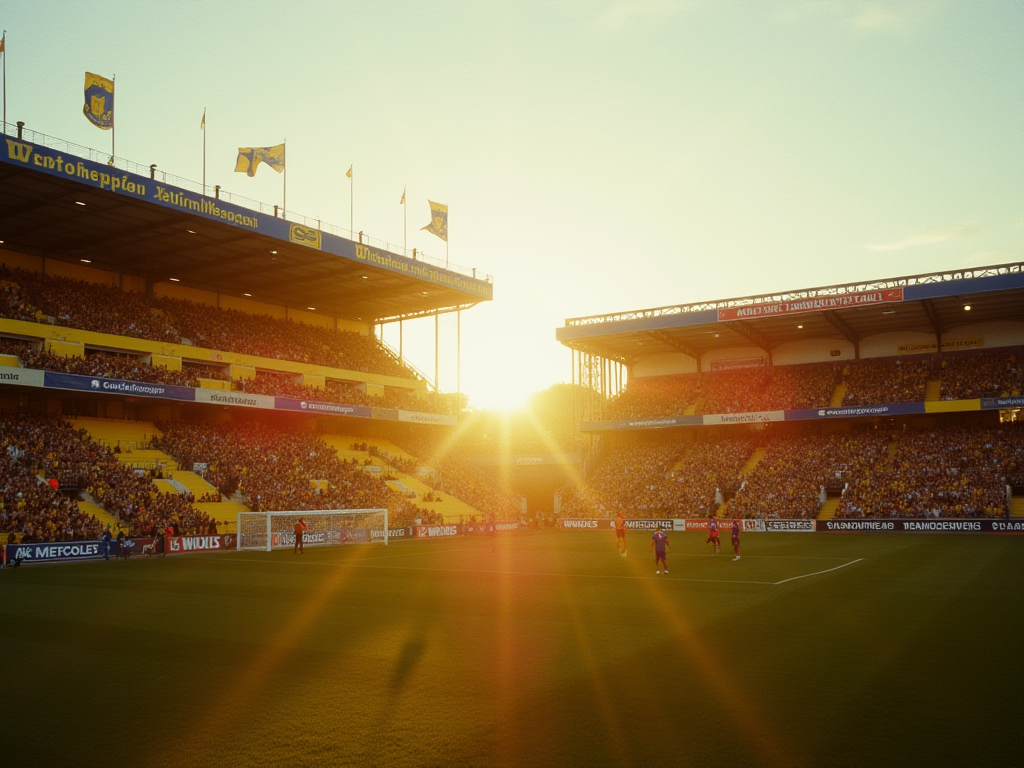
The Heartbeat of Westerlo: A Deep Dive into Fan Culture
In the quaint town of Westerlo, football is more than just a sport; it’s a way of life. The supporters of Westerlo, affectionately known as De Kakkers, bring an infectious passion to each match, transforming the Stadium into a cauldron of emotion and camaraderie. As the team takes to the pitch, it’s not just the players who are under the spotlight; the supporters play a pivotal role in creating an unforgettable atmosphere, especially during derby days against their fierce rivals, Lierse SK.
Pre-Match Rituals: Gathering of the Clan
Matchday in Westerlo begins well before the first whistle. Supporters gather in local pubs and cafes, sharing stories and soaking in the anticipation. The air buzzes with excitement as fans don their colors—yellow and blue—displaying flags and scarves that symbolize their unwavering loyalty. For many, it’s a cherished ritual, a time to reconnect with friends and fellow fans. You can often hear the echoes of chants being practiced, as De Kakkers prepare to unleash their vocal prowess once the match begins.
As the clock ticks closer to kickoff, you’ll see groups of fans making their way to the Stadium, marching in unison, a sea of colors flowing through the streets. The camaraderie is palpable; it’s not just about the game, but about belonging to something bigger than oneself. This shared experience bonds supporters of all ages, from families with young children to older generations who have passed down the love for Westerlo through the years.
The Derby Atmosphere: A Clash of Titans
When the day of the derby against Lierse SK arrives, the atmosphere reaches a fever pitch. The rivalry is deeply rooted in history, and both sets of supporters are acutely aware of what’s at stake. The pre-match build-up is electric, with fans exchanging banter and engaging in friendly rivalry, all while maintaining a sense of respect for one another. It’s this passion that defines the essence of Belgian football culture.
Once inside the Stadium, the atmosphere transforms into a vibrant spectacle. As the players warm up, the sound of drums and chants fills the air, creating a wall of sound that reverberates throughout the stands. The choreography of the supporters is as synchronized as the team’s movements on the pitch. Flags wave, and the intensity of the chants rises, creating an environment that can be both intimidating for the visiting team and exhilarating for the home side.
Stadium Rituals: The Heart of De Kakkers
Inside the Stadium, unique rituals enhance the matchday experience. One of the most cherished traditions is the communal singing of the club anthem just before kickoff. With arms around one another, fans unite in song, creating a powerful moment of solidarity that often sends shivers down the spine. It’s a reminder of why they come together as a community, to support De Kakkers through thick and thin.
Moreover, the halftime break is another opportunity for fans to engage. Whether it’s sharing a joke with a neighboring supporter or discussing the first half's highlights, this intermission fosters a sense of togetherness. Many fans take this time to grab a local delicacy or a cold drink from the vendors, further contributing to the local economy and culture.
A Legacy of Passion and Community
As the match unfolds, the passion of De Kakkers is palpable. The cheers, groans, and collective gasps create an emotional rollercoaster that binds supporters together. Whether celebrating a goal or lamenting a missed opportunity, the emotional highs and lows are shared, creating lasting memories.
In conclusion, the fan culture surrounding Westerlo is a vibrant tapestry woven from passion, tradition, and community spirit. The supporters, De Kakkers, embody what it means to be a true football fan, turning each match into a celebration of loyalty and love for their club. As they continue to create unforgettable matchday experiences, their traditions will undoubtedly be passed down through generations, ensuring that the heartbeat of Westerlo remains strong.