 Westerlo Hub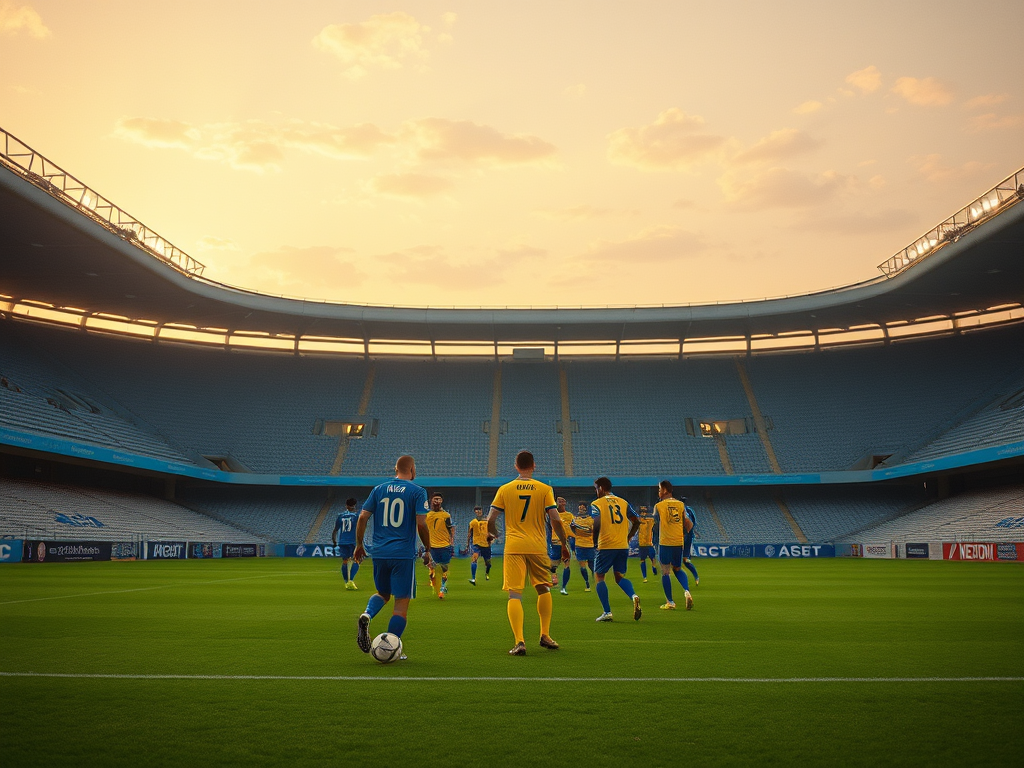
The Midfield Dilemma
Westerlo's recent performances have raised eyebrows among fans and analysts alike, highlighting a significant gap in their midfield dynamics. As the team gears up for the 2026 season, the strategic emphasis on a cohesive midfield structure is more critical than ever. The current state of play has prompted discussions about whether a re-evaluation of tactics could be the key to unlocking the team’s full potential. With the right adjustments, Westerlo could not only stabilize its midfield but also become a formidable competitor in the league.
Analyzing Recent Performances
In their latest outings, Westerlo has often struggled to maintain possession and create effective passing lanes. The midfield has been characterized by a lack of synergy among key players, including Yusuf Kone and Milan De Laet, who have shown glimpses of brilliance but often seem isolated in their play. This disjointedness was particularly evident in their match against Union SG, where they succumbed to a 2-0 defeat, failing to establish control in the center of the park.
Several factors contribute to this midfield malaise: - Inconsistent positioning leads to gaps that opponents exploit. - Lack of communication among midfielders, resulting in misplaced passes and turnovers. - Inadequate support from full-backs, limiting width and depth in attacks.
Addressing these issues is crucial. The coaching staff, led by Kris Daelmans, must prioritize drills that enhance coordination and instill a clearer tactical vision for the midfield unit.
Tactical Innovations: A Call for Change
To remedy the current deficiencies, Westerlo must consider tactical innovations that prioritize midfield cohesion. One strategy could involve transitioning to a more fluid formation that allows for dynamic movement and adaptability. A switch from a traditional 4-3-3 to a more nuanced 4-2-3-1 could provide the necessary support for both defensive stability and attacking creativity.
In this formation: - The two holding midfielders can shield the defense while allowing for quick transitions. - The attacking midfielder, possibly Jordy Croux, can operate between the lines, creating space and opportunities for forwards. - The wingers could be encouraged to drift inside, providing additional support in central areas and stretching the opposition.
Implementing these changes will require rigorous training sessions focused on positional play and movement off the ball. The coaching staff must ensure players understand their roles within this new structure, fostering a mindset that prioritizes teamwork and collective effort.
Key Players for Midfield Resurgence
For Westerlo to realize this tactical shift, certain players must step up, taking on increased responsibilities in midfield. Yusuf Kone and Milan De Laet are pivotal in this regard. Both possess the technical skill and vision necessary to dictate play, but they will need to develop a stronger partnership to maximize their effectiveness.
Additionally, the emergence of younger talents such as Liam Van Haevermaet could inject fresh energy into the midfield. His ability to break lines and press opposition players will be crucial for Westerlo's tactical evolution. Moreover, Maarten Vandevoordt, although primarily a goalkeeper, has shown remarkable ball distribution skills that could aid in initiating attacks from the back.
What It Means for Westerlo’s Championship Goals
The implications of a restructured midfield extend beyond mere tactics; they directly affect Westerlo's aspirations in the Championship. Currently sitting mid-table, the team has the potential to climb the standings if they can establish a more cohesive unit. A solid midfield will not only enhance their defensive capabilities but also facilitate a more potent offensive threat.
As the season progresses, securing points against direct rivals will be crucial. Matches against teams like Oud-Heverlee Leuven and KAS Eupen will test the newfound midfield structure. Success in these fixtures could prove pivotal in solidifying Westerlo's position in the league.
Fan Response and Community Sentiment
The Westerlo fan base, known for its unwavering support, has been vocal regarding the need for improvement in midfield dynamics. Social media platforms and local forums have been buzzing with discussions about potential signings and tactical changes. Many fans believe that the club must invest in a creative midfielder, someone who can link play effectively and provide the necessary spark in tight games.
The collective sentiment is one of cautious optimism. Fans are hopeful that the club’s management will recognize these tactical needs and act accordingly. There is a sense of unity among supporters, who are willing to rally behind the team as long as they see effort and commitment on the pitch.
The Bigger Picture: Championship Implications
As teams across the Championship evolve, Westerlo must adapt to the changing landscape. The tactical changes they implement now could have lasting ramifications on their ability to compete effectively. With clubs like SV Zulte Waregem and Beerschot VA also vying for better positions, the competition will only intensify.
The ability to control the midfield will become increasingly crucial. As the season progresses, teams that can establish dominance in this area will likely secure better results. Westerlo must not only adapt to the tactical shifts but also anticipate the strategies employed by their opponents.
What’s Next
Looking ahead, Westerlo has a crucial fixture against KV Mechelen where they will need to showcase the changes made in midfield. This match will serve as a litmus test for the tactical adjustments proposed by Kris Daelmans. Fans will be eager to see if their beloved team can rise to the occasion and establish the midfield coherence that has eluded them in recent weeks.
In conclusion, the road ahead is fraught with challenges, but with the right focus on tactical cohesion in midfield, Westerlo can redefine their season and aim for a stronger finish in the Championship. The time for change is now.